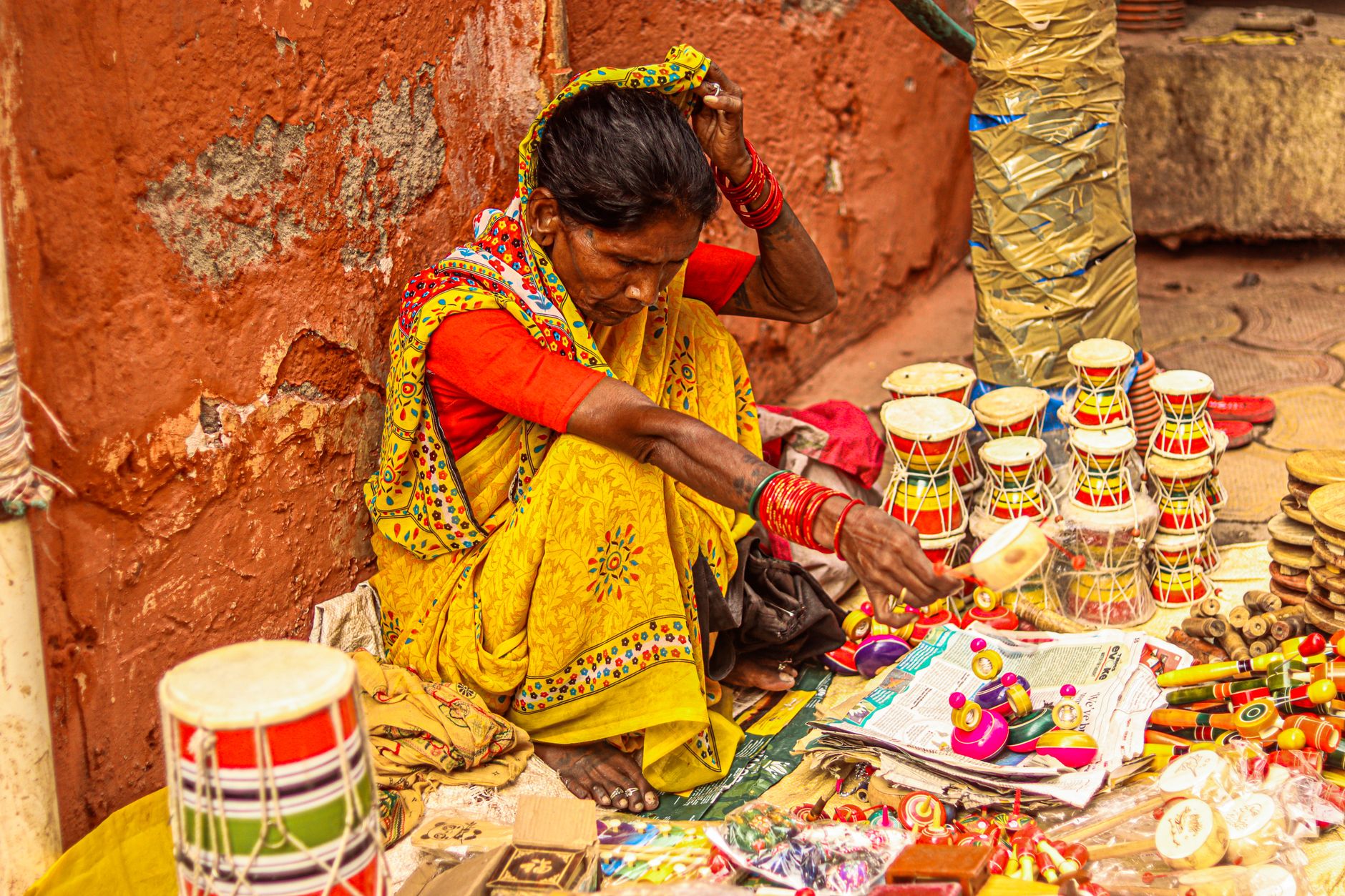
India’s Creative Economy is poised for growth, and accurate data is key to shaping effective policies that support this vibrant sector.
The Importance of Accurate Data
Accurate data is essential for the growth and sustainability of India’s Creative Economy. According to the Ministry of Statistics and Programme Implementation (MoSPI), reliable statistics serve as the backbone for effective policy-making. With a rapidly evolving creative sector, the need for precise data has never been more critical.
The significance of accurate data can be highlighted through several key points:
- Informed Decision-Making: Policymakers rely on data to understand the economic impact of creative industries, ensuring that resources are allocated effectively.
- Measuring Growth: Accurate statistics allow for the tracking of the creative economy’s growth over time, helping to identify trends and areas for improvement.
- Global Competitiveness: By providing reliable data, India can better position itself in the global creative landscape, attracting investments and talent.
- Stakeholder Engagement: Transparency in data fosters trust among stakeholders, encouraging collaboration across sectors.
As the creative economy continues to flourish, the importance of accurate data cannot be overstated. Comprehensive data collection and analysis will play a pivotal role in shaping policies that support and enhance India’s Creative Economy.
How Data Shapes Creative Policies
In recent years, the significance of data in shaping policies for India’s creative economy has become increasingly evident. Accurate data not only informs strategic decisions but also helps identify the areas that require attention and investment.
According to the Ministry of Statistics and Programme Implementation (MoSPI), comprehensive data collection is essential for understanding the diverse facets of the creative economy. This data-driven approach allows policymakers to:
- Assess Industry Growth: By analyzing trends and patterns, stakeholders can determine which sectors within the creative economy are thriving and which may need support.
- Identify Skills Gaps: Accurate data helps in pinpointing the skills that are in demand, enabling educational institutions to tailor programs that prepare the workforce for future challenges.
- Allocate Resources Effectively: With a clear understanding of the creative landscape, resources can be directed to areas that promise the greatest impact, ensuring sustainable growth.
- Encourage Investment: Investors are more likely to commit to sectors backed by solid data, facilitating the flow of capital into India’s creative economy.
Ultimately, leveraging data effectively will empower India to harness the full potential of its creative economy, driving innovation and cultural expression.
Challenges in Data Collection
Despite the significance of accurate data in shaping India’s Creative Economy, challenges persist in the data collection process. These challenges can hinder the formulation of effective policies aimed at fostering growth in this dynamic sector.
- Fragmented Data Sources: Data related to the creative economy often comes from disparate sources, making it difficult to compile a comprehensive picture. Different industries report their data in varied formats, leading to inconsistencies.
- Lack of Standardization: Without standardized metrics and definitions, comparing data across sectors becomes problematic. This lack of uniformity can obscure trends and limit insights.
- Underreporting: Many creative professionals operate in informal settings, resulting in significant underreporting. This underrepresentation skews data and can lead to misguided policy decisions.
- Resource Constraints: Government agencies may face resource limitations, reducing their ability to conduct extensive data collection and analysis. This can lead to gaps in understanding the full scope of the creative economy.
Addressing these challenges is crucial for leveraging data effectively. Accurate data collection will empower policymakers to craft targeted strategies that can enhance and sustain India’s Creative Economy.
Impact of Creative Economy on India
The impact of India’s creative economy on the nation’s growth and cultural identity is profound. This sector, which encompasses various fields such as arts, entertainment, design, and media, has emerged as a significant contributor to the country’s GDP. According to recent reports, the creative economy not only fosters innovation but also creates millions of jobs, thereby reducing unemployment rates.
Furthermore, the infusion of technology into traditional creative sectors has transformed how content is produced and consumed. Digital platforms have enabled artists and creators to reach global audiences, amplifying their influence and potential for revenue generation. This shift has led to a more diverse and vibrant cultural landscape in India.
Despite its potential, the creative economy faces challenges that require targeted policies. To address these issues effectively, policymakers must use accurate data to understand the sector’s dynamics. The need for robust statistics is essential to identify growth areas, allocate resources efficiently, and promote sustainable practices.
- Job Creation: Millions of jobs generated across various creative sectors.
- Innovation: Technology integration enhances content production.
- Cultural Impact: A diverse cultural landscape that represents India globally.
In conclusion, India’s creative economy has the potential to drive significant social and economic change, making accurate data vital for informed policy decisions.
Future Trends in India’s Creative Sector
As India continues to embrace digital transformation, future trends in India’s creative economy are set to evolve significantly. The integration of technology with traditional creative practices is expected to drive innovation and expand market opportunities.
Several key trends are anticipated:
- Digital Content Creation: With the rise of platforms like YouTube and Instagram, digital content creation is becoming a primary avenue for artists and creators. This shift not only democratizes artistic expression but also enhances revenue potential for content creators.
- Collaboration Across Disciplines: The fusion of various creative disciplines, such as art, design, and technology, is likely to produce unique products and experiences, further enriching India’s creative economy.
- Increased Investment in Startups: Venture capital is increasingly flowing into creative startups, fostering an environment where new ideas can flourish. This influx of capital will support innovative projects and enhance the visibility of India’s creative sector.
- Sustainable Practices: As awareness of environmental issues grows, the creative sector is expected to prioritize sustainability, leading to eco-friendly practices in production and consumption.
These trends indicate a promising future for India’s creative economy, ultimately contributing to its growth and global competitiveness.
MoSPI’s Role in Economic Development
The Ministry of Statistics and Programme Implementation (MoSPI) plays a pivotal role in the economic development of India, particularly in the realm of the creative economy. By providing accurate and reliable data, MoSPI enables policymakers to make informed decisions that can enhance the growth of this sector.
One of the primary functions of MoSPI is to collect, analyze, and disseminate statistical information related to various economic activities. This includes data on employment, revenue generation, and investment trends within the creative economy. Such insights are vital for understanding the sector’s contribution to India’s GDP and overall economic health.
Moreover, MoSPI’s efforts in standardizing data collection methods help to address the challenges faced in gathering information from diverse creative industries. By ensuring consistent methodologies, the ministry enhances the quality and comparability of data, which is crucial for formulating effective policies.
As India’s creative economy continues to expand, MoSPI’s role becomes increasingly significant. The accurate data produced by the ministry not only supports the development of targeted policies but also fosters an environment where creativity can thrive, ultimately benefiting the nation’s economy as a whole.
- Key contributions of MoSPI:
- Data collection and analysis
- Standardization of methodologies
- Support for policy formulation
Photo by Swastik Arora on Pexels