
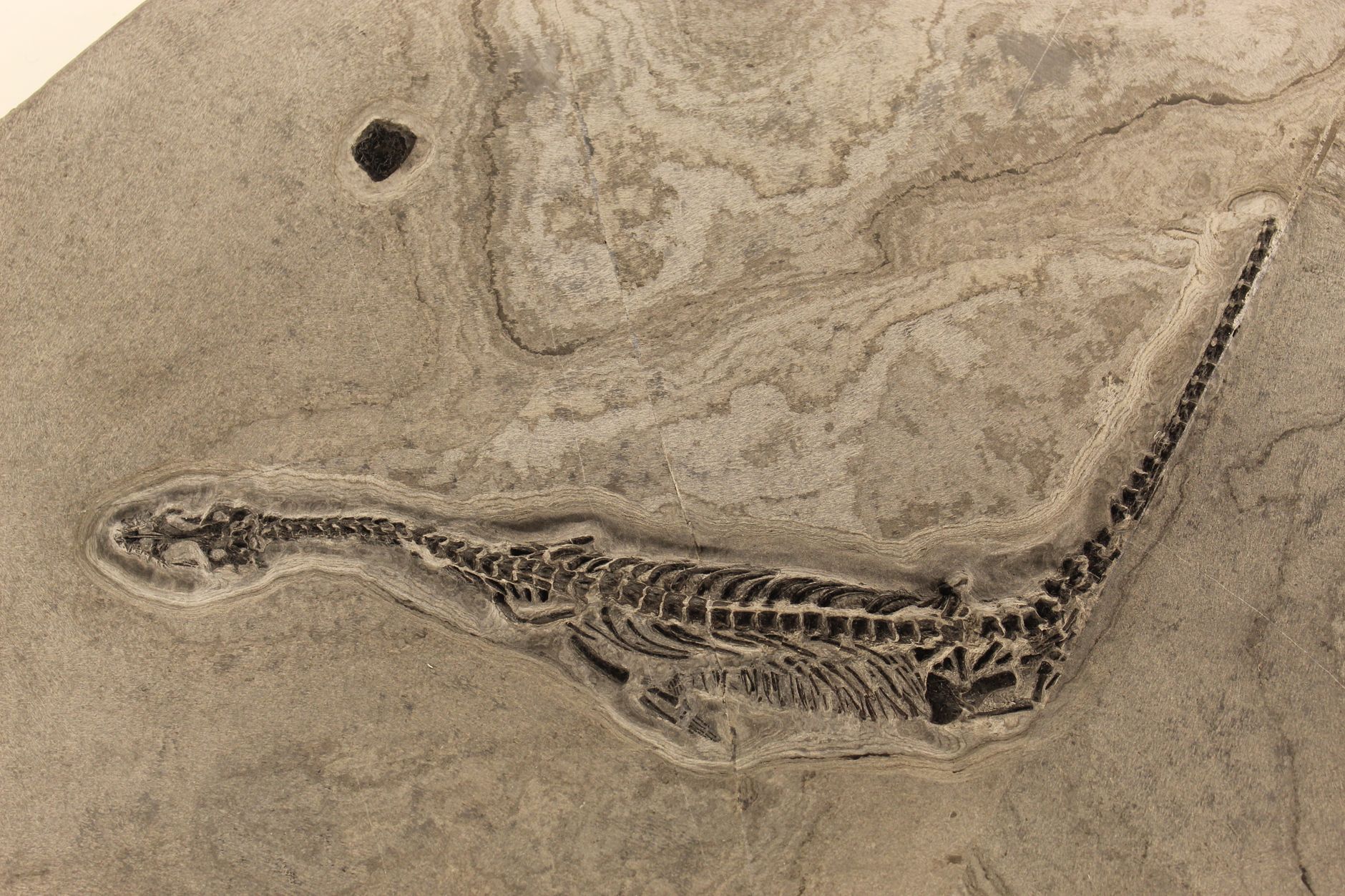
The new dinosaur discovery has unveiled Europe’s first megaraptoran, a remarkable find that had remained unnoticed for nearly 100 years. This exciting revelation sheds light on the prehistoric past.
What is a megaraptor?
A megaraptor is a type of theropod dinosaur known for its distinct features and predatory nature. This newly discovered dinosaur, which is part of the megaraptoran family, showcases unique adaptations that set it apart from other dinosaurs of its time.
The term “megaraptor” translates to “great thief,” reflecting its likely role as a top predator within its ecosystem. Key characteristics of megaraptors include:
- Large Size: Megaraptors were notably larger than many other theropods, with long limbs and an elongated body.
- Specialized Claws: Their most striking feature is their large, curved claws, which were likely used for hunting and grasping prey.
- Advanced Hunting Skills: They were likely agile and swift, allowing them to capture fast-moving prey.
This new dinosaur discovery marks a significant moment in paleontology, as it sheds light on Europe’s prehistoric ecosystems and the diversity of theropod dinosaurs.
The significance of the discovery
The recent discovery of a new dinosaur, specifically Europe’s first megaraptoran, holds immense significance for the field of paleontology. This find not only enriches our understanding of dinosaur diversity but also sheds light on the evolutionary pathways that these creatures took during the Late Cretaceous period.
For nearly a century, the fossil sat in a drawer at a London museum, overlooked and unrecognized. Its eventual identification as a new species underscores the importance of reexamining existing collections, as valuable insights can still be unearthed from past discoveries.
Additionally, this new dinosaur discovery highlights the geographic distribution of megaraptorans, suggesting that these predators roamed not just in South America, as previously believed, but also across Europe. The implications of this finding could reshape our understanding of dinosaur migration and adaptation patterns.
- Enhances understanding of dinosaur evolution
- Encourages further research on museum collections
- Broadens geographical knowledge of megaraptorans
How the fossil was found
The remarkable new dinosaur discovery came to light when researchers conducted a thorough examination of fossils stored in a London museum. For nearly a century, the fossil had been tucked away in a drawer, overlooked and forgotten. The specimen, initially cataloged without much attention, was rediscovered by paleontologists who were re-evaluating the museum’s collection.
Upon closer inspection, the team noticed unique features that set this fossil apart from known species. Its elongated claws and distinctive bone structure indicated it belonged to a previously unidentified group of dinosaurs. This led to further investigation and ultimately the conclusion that it represented Europe’s first megaraptoran.
The serendipitous nature of the find highlights the importance of revisiting old collections. As researchers delve deeper into historical specimens, they often uncover treasures that reshape our understanding of prehistoric life.
Impact on paleontology
The recent new dinosaur discovery has significant implications for the field of paleontology. Researchers believe that this find will reshape our understanding of theropod evolution, particularly in Europe. Previously, the megaraptorans were thought to be exclusive to other continents, making this discovery all the more remarkable.
Experts are now reevaluating existing fossil records and geographic distributions of dinosaurs. The fossil, previously overlooked in a London museum, highlights the need for thorough examination of museum collections. This breakthrough emphasizes that many potential discoveries may still lie within existing artifacts.
Furthermore, the implications extend beyond just the species itself. It raises questions about the ecological dynamics of prehistoric Europe and how these large predators interacted with their environment. As scientists continue to study this remarkable specimen, the impact of the new dinosaur discovery may inspire a wave of future research in evolutionary biology.
Future research directions
Future research directions following this new dinosaur discovery are promising and multifaceted. Paleontologists aim to conduct extensive studies on the fossil to better understand the evolutionary lineage of megaraptorans. Key areas of focus will include:
- Comparative Anatomy: Analyzing the skeletal structure of the newly identified species against existing megaraptorans to uncover unique traits.
- Ecological Role: Investigating how this dinosaur fit into its ecosystem and its interactions with other species of the time.
- Paleoenvironmental Studies: Utilizing geological evidence to reconstruct the habitat and climate conditions where the megaraptor lived.
- Public Engagement: Developing educational programs to share findings with the public and inspire future generations of paleontologists.
These projects are expected to yield valuable insights into the life of this remarkable creature and further enhance our understanding of dinosaur diversity in Europe.
Photo by Akshit Jhanwar on Pexels