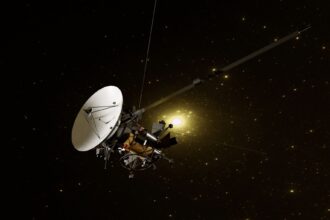
The Pakistan China space mission is a significant milestone in the 75-year friendship between the two nations, showcasing their collaborative spirit in space exploration.
Overview of the Pakistan China space mission
The recent Pakistan China space mission marks a significant milestone in the longstanding friendship between the two nations. This collaboration not only symbolizes technological advancement but also reinforces the strong ties that have been nurtured over the past 75 years. The mission aims to enhance joint efforts in space exploration and scientific research, promoting mutual growth and understanding.
As part of this initiative, both countries are focusing on several key objectives:
- Satellite Development: The mission will facilitate the development and launch of advanced satellites, enabling improved communication and data collection.
- Scientific Research: Joint research projects will focus on various fields, including astronomy, environmental monitoring, and climate change.
- Knowledge Sharing: Scientists and engineers from both nations will collaborate, sharing expertise and resources to maximize the mission’s impact.
- Education and Training: The partnership will also emphasize educational programs, training the next generation of experts in space technology.
This Pakistan China space mission is poised to open new avenues for collaboration, fostering innovation and strengthening the bond between the two countries. As they embark on this journey together, both nations express optimism about the future, believing that their friendship will pave the way for groundbreaking achievements in space exploration and beyond.
Historical context of Pakistan China relations
The relationship between Pakistan and China spans over seven decades, marked by strong diplomatic, economic, and military ties. This partnership has evolved significantly since its inception in the early 1950s, with both nations frequently collaborating on various fronts.
Over the years, Pakistan and China have engaged in numerous initiatives, showcasing their mutual respect and shared goals. The establishment of the China-Pakistan Economic Corridor (CPEC) in 2015 served as a cornerstone for enhancing economic collaboration, creating a framework for infrastructure development and investment. This initiative is seen as a manifestation of the deep-rooted friendship that has flourished between the two countries.
In addition to economic ties, military cooperation has been a critical aspect of the Pakistan-China relationship. Joint exercises, technology transfers, and defense collaborations have solidified their strategic partnership, positioning both nations as key players in regional stability.
The recent Pakistan China space mission marks a significant advancement in their scientific collaboration, further deepening the bonds forged over the years. As both nations celebrate 75 years of friendship, this mission symbolizes not just technological progress but also a commitment to explore new frontiers together.
The historical context of their relationship underscores the importance of this new chapter, reinforcing the idea that their partnership will continue to thrive in the face of global challenges.
Significance of space exploration for both nations
The Pakistan China space mission marks a pivotal moment in the exploration of space, with significant implications for both nations involved. As they embark on this journey together, the partnership symbolizes a deepening of ties that goes beyond terrestrial cooperation.
Space exploration offers numerous advantages, which can enhance the scientific and technological capabilities of both countries. The collaboration is expected to lead to:
- Knowledge Sharing: Joint research initiatives will allow scientists from both nations to exchange expertise, fostering innovation in various fields such as astronomy, telecommunications, and environmental monitoring.
- Economic Opportunities: The mission could open doors for economic growth through the development of new technologies and industries, creating jobs and boosting local economies.
- Strategic Collaboration: Working together on space exploration can strengthen political and military ties, ensuring a united front in addressing global challenges.
- Inspirational Impact: The mission aims to inspire young minds in Pakistan and China, encouraging future generations to pursue careers in science, technology, engineering, and mathematics (STEM).
Moreover, the successful execution of the Pakistan China space mission will serve as a testament to the enduring friendship between the two nations, highlighting their commitment to collaborative progress and mutual development in the vast expanse of outer space.
Technological advancements in the mission
The Pakistan China space mission represents a significant leap in technological advancements for both nations, showcasing their commitment to collaboration in the field of space exploration. As they embark on this ambitious journey, several key technologies are being highlighted as part of the mission.
- Satellite Development: Both countries are investing in the development of advanced satellites that can improve communication, weather forecasting, and data collection.
- Launch Vehicles: The mission involves the use of sophisticated launch vehicles, which are designed to enhance payload capacity and ensure reliable access to space.
- Research and Innovation: Joint research initiatives are underway, focusing on areas such as space science, remote sensing, and astronaut training, which are crucial for the success of the mission.
- Ground Stations: The establishment of state-of-the-art ground stations will facilitate better data transmission and satellite control, improving overall operational efficiency.
These technological strides not only reinforce the capabilities of both countries but also symbolize their growing friendship. The collaboration signifies a new era where Pakistan and China aim to harness space technology to address challenges such as climate change, natural disasters, and resource management. As the Pakistan China space mission unfolds, it is poised to inspire further advancements and foster a spirit of innovation that could benefit both nations for years to come.
International response to the mission
The recent Pakistan China space mission has garnered significant international attention, highlighting the evolving dynamics of space exploration and geopolitical relationships. As the two nations embark on this ambitious venture, responses from global powers and space agencies have been mixed, reflecting both interest and concern.
Many countries have expressed admiration for the collaboration, viewing it as a testament to the deepening ties between Pakistan and China. Experts believe that this mission could serve as a catalyst for further scientific cooperation in the region, potentially paving the way for joint initiatives in areas such as climate monitoring and disaster management.
Conversely, some Western nations have raised eyebrows, perceiving the Pakistan China space mission as a strategic move that could shift the balance of power in Asia. Concerns have been voiced regarding the implications of advanced technology being shared between the two nations, with fears that it may lead to increased military capabilities.
In response to these apprehensions, officials from both Pakistan and China have emphasized the peaceful nature of their space endeavors, reiterating their commitment to collaboration that benefits humanity as a whole. This mission not only symbolizes technological progress but also represents a new chapter in their longstanding friendship, which spans over 75 years. As the world watches closely, the outcomes of this mission could redefine future international partnerships in space exploration.
Future collaborations in space
The Pakistan China space mission marks a pivotal moment not just for the two nations, but for their future collaborations in space exploration. As both countries look to deepen their partnership, several areas of potential cooperation are emerging that could reshape their roles in the global space arena.
- Joint Research Initiatives: The two nations plan to establish joint research programs focusing on satellite technology, space science, and environmental monitoring. This collaborative approach will harness the expertise of both countries, promoting innovation and technological advancement.
- Astronomy and Astrophysics: Pakistan and China aim to launch joint astronomical projects, sharing knowledge and resources to explore the cosmos. This could involve the development of observatories and space telescopes that enhance their understanding of the universe.
- Human Resource Development: Educational exchanges and training programs are anticipated, enabling scientists, engineers, and students from both countries to gain experience in space technology and research. This investment in human capital is critical for sustaining long-term collaborations.
- Commercial Space Ventures: The potential for joint ventures in satellite manufacturing and launching services is significant. Such partnerships could lead to cost-effective solutions and foster economic growth in both nations.
In conclusion, the Pakistan China space mission not only symbolizes a new chapter in their bilateral relationship but also sets the stage for an exciting future of shared exploration and innovation in space.
Challenges faced during the mission
The Pakistan China space mission has marked a significant milestone in the collaboration between the two nations, yet it has not been without its challenges. These obstacles have tested the resolve and ingenuity of both teams involved in the mission.
- Technical Hurdles: One of the primary challenges faced was the integration of diverse technologies from both countries. Ensuring compatibility between systems developed independently required extensive testing and adjustment.
- Funding and Resources: Securing adequate funding was another significant hurdle. The mission required substantial investment, and navigating the financial aspects while maintaining transparency and trust was crucial.
- Logistical Issues: Coordinating the logistics between the two countries posed challenges, including transportation of equipment and personnel. The geographical distance and differing regulatory environments necessitated careful planning.
- Public Perception: Both nations had to address skepticism and concerns raised by some segments of their populations regarding the space mission. Effective communication strategies were essential to garner public support.
- Geopolitical Tensions: Amidst ongoing geopolitical tensions in the region, the mission had to navigate complex international relations, ensuring that it was seen as a symbol of cooperation rather than competition.
Despite these challenges, the Pakistan China space mission has emerged as a testament to the enduring partnership between the two nations, paving the way for future collaborations in space exploration.
Conclusion: The impact on global space dynamics
The successful completion of the Pakistan China space mission marks a pivotal moment in the evolving dynamics of international space exploration. This partnership not only enhances bilateral ties but also positions both nations as key players on the global space stage.
As the world witnesses an increasing interest in space, the collaboration between Pakistan and China signifies a strategic alignment that could reshape global space politics. The Pakistan China space mission demonstrates how emerging nations can collaborate to advance their technological capabilities and scientific knowledge, thus challenging traditional space powers.
Moreover, this mission could inspire other developing countries to pursue similar partnerships, fostering a more inclusive approach to space exploration. The implications of such collaborations extend beyond national interests; they enhance global cooperation in addressing universal challenges such as climate change, resource management, and disaster response.
However, the success of the Pakistan China space mission also raises questions about competition in space. As more nations develop their space programs, the geopolitical landscape will continue to evolve, potentially leading to both collaborative efforts and rivalries.
In conclusion, the mission symbolizes a new chapter in Pakistan-China relations and underscores the importance of international cooperation in space. As both nations embark on future endeavors, their partnership may serve as a model for others, ultimately contributing to a more interconnected and cooperative global space community.
References
Related reading
GPU prices rising: The clear impact of Anthropic’s numbers · Samsung laptop Black Friday deal: Is it the best price? · Nvidia CEO return: The Worst Impact on Tech Stocks