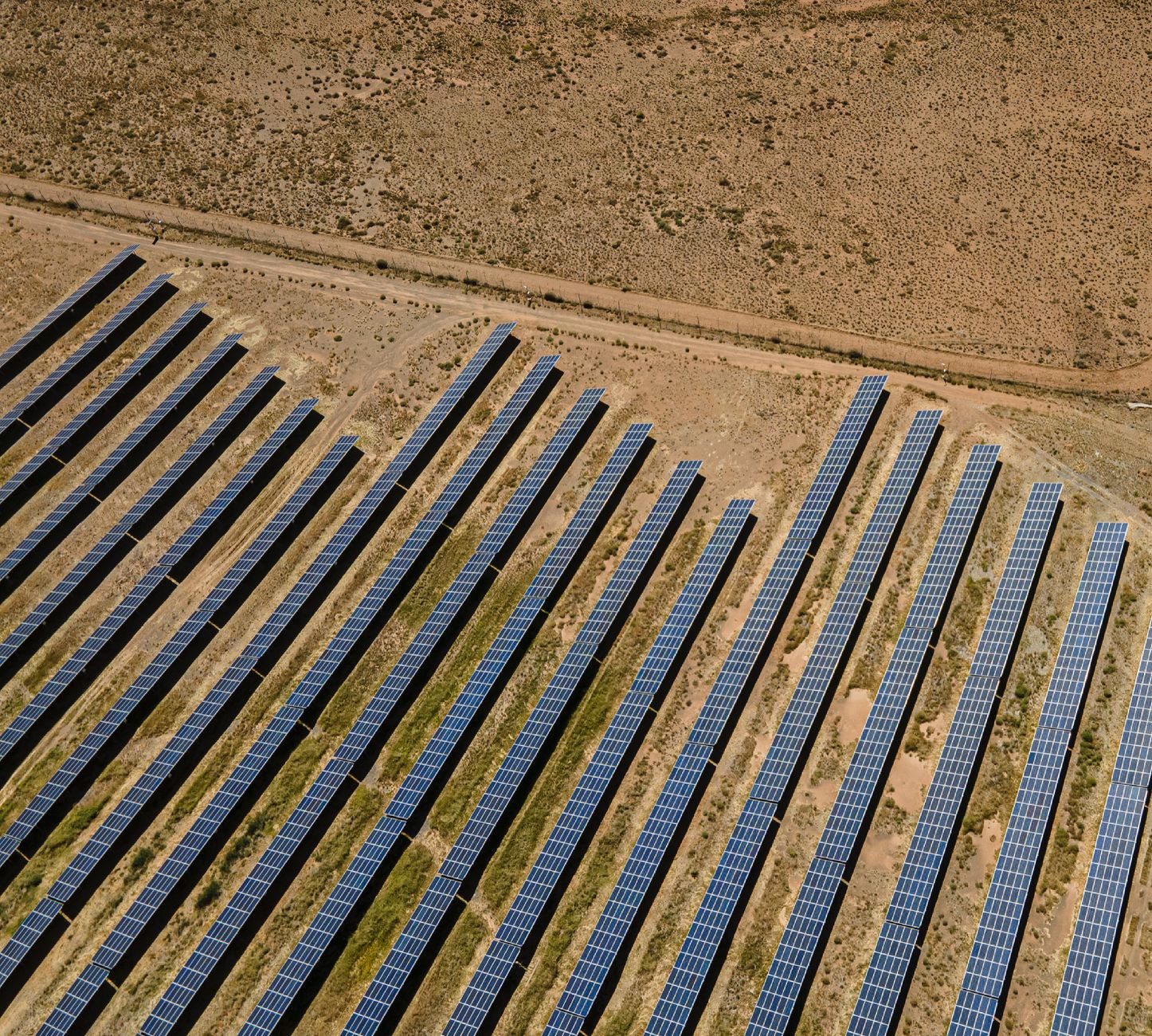
carbon credit projects are crucial for achieving sustainability goals. Understanding why policy predictability matters can enhance investment confidence and project success.
Understanding Carbon Credit Projects
Carbon credit projects play a crucial role in the global effort to combat climate change. These initiatives allow organizations and businesses to offset their carbon emissions by investing in environmental projects that reduce greenhouse gases. Understanding how these projects function is essential for stakeholders aiming to contribute positively to the environment.
At the core of carbon credit projects is the concept of carbon offsetting. When a company emits a certain amount of carbon dioxide, it can purchase carbon credits equivalent to its emissions. These credits are often generated through various sustainable practices, such as:
- Reforestation – planting trees to absorb CO2.
- Renewable energy – investing in solar or wind power to reduce reliance on fossil fuels.
- Energy efficiency – implementing technologies that lower energy consumption.
By participating in carbon credit projects, businesses not only mitigate their environmental impact but also potentially gain financial benefits. The success of these initiatives heavily relies on policy predictability, which ensures that the rules governing carbon markets remain consistent and transparent over time.
The Importance of Policy Predictability
Policy predictability plays a crucial role in the success of carbon credit projects. When governments establish clear and consistent regulations, it creates a stable environment for investment and innovation. This stability is essential for attracting both private and public funding, which is necessary for the development and implementation of effective carbon credit initiatives.
Moreover, predictable policies help project developers to plan long-term strategies and assess potential risks. Without this clarity, stakeholders may hesitate to commit resources, fearing sudden regulatory changes that could undermine their investments.
Key aspects of policy predictability include:
- Consistency: Regular updates to regulations can create uncertainty and hinder progress.
- Transparency: Clear communication from policymakers about future plans encourages trust among investors.
- Stakeholder Engagement: Involving various stakeholders in the decision-making process ensures that policies reflect the needs of the community and industry.
Ultimately, a predictable policy landscape is vital for the growth of carbon credit projects, fostering an environment where sustainable solutions can thrive and contribute to climate goals.
How Predictability Impacts Investment
Investment in carbon credit projects heavily relies on the predictability of policies governing them. When investors have confidence in stable regulations, they are more likely to commit significant resources to projects aimed at reducing greenhouse gas emissions.
Predictability creates a favorable environment for both new and existing projects. Key factors include:
- Long-term Planning: Investors can better forecast returns and allocate budgets when policies are stable.
- Risk Mitigation: A predictable regulatory landscape reduces uncertainties, making it easier for investors to navigate potential risks.
- Increased Participation: Clear guidelines encourage more stakeholders to engage in carbon credit markets, fostering competition and innovation.
- Financial Backing: With a reliable policy framework, financial institutions are more inclined to support projects with loans or investment.
Ultimately, establishing and maintaining a predictable policy environment enhances the attractiveness of carbon credit projects, ensuring they are not only viable but also successful in their mission to combat climate change.
Challenges in Carbon Credit Implementation
Despite the potential benefits of carbon credit projects, several challenges hinder their successful implementation. Understanding these obstacles is crucial for stakeholders aiming to navigate this complex landscape.
- Regulatory Uncertainty: Fluctuating policies and lack of clear regulations can deter investments in carbon credit projects. Stakeholders require a stable environment to make informed decisions.
- Measurement and Verification: Accurately measuring the carbon savings from projects is essential. Without robust verification processes, the integrity of carbon credits can be questioned, undermining confidence in the market.
- Market Volatility: The carbon credit market can be unpredictable, with prices fluctuating due to various factors, including policy changes and market demand. This volatility can affect project financing.
- Access to Finance: Many carbon credit projects, especially in developing regions, struggle to secure adequate funding. Financial institutions often perceive these initiatives as high-risk, limiting their growth potential.
Addressing these challenges is vital for ensuring the success and credibility of carbon credit projects, ultimately contributing to the global fight against climate change.
Case Studies of Successful Projects
Several case studies highlight the effectiveness of carbon credit projects in reducing greenhouse gas emissions while promoting sustainable development. These successful initiatives showcase how careful planning and strong policy frameworks can lead to tangible results.
- The Amazon Rainforest Project: This project focuses on reforestation efforts in Brazil, aiming to restore degraded land while generating carbon credits. By involving local communities, it has successfully enhanced biodiversity and created sustainable job opportunities.
- Solar Energy Initiatives in India: Solar power projects have emerged as a cornerstone of India’s renewable energy strategy. These initiatives not only contribute to carbon credit generation but also provide affordable energy solutions to underserved populations.
- Wind Energy Farms in Texas: The establishment of wind farms in Texas has significantly reduced carbon emissions. The project’s success is attributed to favorable policies and strong community support, reinforcing the importance of a stable regulatory environment.
These examples demonstrate that well-designed carbon credit projects can lead to both environmental benefits and economic growth, proving that sustainable practices can align with profitability when supported by the right policies.
Future Trends in Carbon Credits
As the global focus on sustainability intensifies, future trends in carbon credit projects are becoming increasingly significant. Experts predict that the market for carbon credits will continue to expand, driven by rising regulatory frameworks and corporate commitments to reduce greenhouse gas emissions.
One of the key trends is the integration of advanced technology in carbon credit projects. Innovations such as blockchain are being explored to enhance transparency and traceability, ensuring that credits are accurately accounted for. This technological advancement is likely to attract more investors, who are seeking reliable and verifiable projects.
Moreover, there is a growing emphasis on co-benefits associated with carbon credit projects. These projects are not only aimed at reducing carbon emissions but also at promoting biodiversity, improving local economies, and enhancing social equity. This holistic approach is expected to appeal to a broader range of stakeholders.
Finally, as more businesses adopt net-zero targets, the demand for high-quality carbon credits will rise. Organizations are increasingly looking for projects that offer verified and lasting impacts, making the future of carbon credit projects a promising avenue for sustainable investment.
Conclusion: Ensuring Project Success
In conclusion, the journey toward successful carbon credit projects is paved with careful planning, strategic investment, and a commitment to transparency. Ensuring project success requires a multifaceted approach that incorporates policy predictability, stakeholder engagement, and technological innovation.
Key factors that contribute to the effectiveness of carbon credit projects include:
- Clear Regulatory Frameworks: Establishing consistent and transparent policies fosters trust among investors and project developers.
- Community Involvement: Engaging local communities ensures that projects meet their needs while enhancing support and sustainability.
- Monitoring and Verification: Implementing rigorous monitoring systems is essential to track progress and validate emissions reductions.
- Adaptability: Projects must be flexible to adapt to changing regulations, market demands, and environmental conditions.
As the world moves towards a more sustainable future, the role of carbon credit projects will only grow in significance. By focusing on these critical elements, stakeholders can maximize the potential for successful outcomes, thereby contributing to global climate goals and fostering a greener economy.
Photo by Charl Durand on Pexels
Read the original
Related reading
Beats 360 Headphones: The Best Smart Audio Choice · Silicon Valley drop-outs: Is a16z’s school the right move? · Moon AI Model: Is It the Best Proven Technology for NASA?