DDR4 memory support is becoming increasingly relevant as new Intel processors are set to launch. This development raises questions about the longevity and performance of older memory types in modern laptops.
What is DDR4 memory?
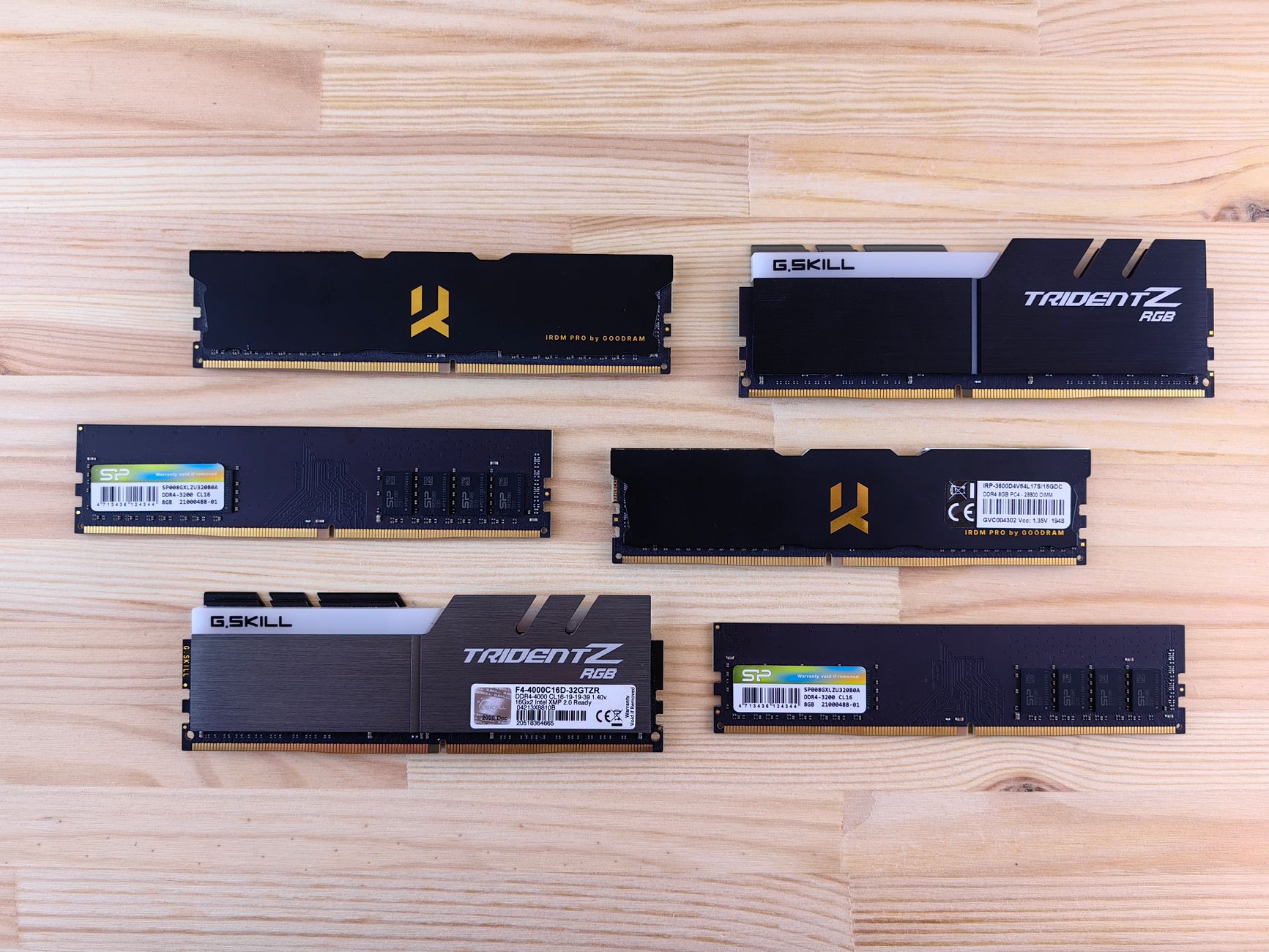
DDR4 memory, short for Double Data Rate Four Synchronous Dynamic Random-Access Memory, is a type of memory that has become a staple in modern computing. Introduced in 2014, DDR4 offers significant improvements over its predecessor, DDR3, including higher speeds, increased bandwidth, and better power efficiency.
One of the key advantages of DDR4 memory support is its ability to handle larger amounts of data simultaneously. This is particularly beneficial for gaming, graphic design, and other memory-intensive applications. The technology allows for data transfer rates of up to 3,200 MT/s, making it an attractive option for users looking to enhance their system performance.
Additionally, DDR4 operates at a lower voltage compared to DDR3, consuming less power and generating less heat. This not only contributes to better overall system stability but also extends the lifespan of components by reducing thermal stress.
As new Intel processors are set to launch, many will continue to support DDR4 memory. This raises the question of whether opting for DDR4 in new builds remains a viable choice. With the option of utilizing older yet reliable memory technology, users can achieve excellent performance without breaking the bank on the latest hardware.
Why Intel is supporting DDR4
Intel’s decision to support DDR4 memory in its upcoming processors has raised eyebrows in the tech community. While newer technologies like DDR5 are available, Intel’s choice reflects a strategic move to ensure compatibility and accessibility for a broader audience.
There are several reasons behind this support:
- Cost-Effectiveness: DDR4 memory is significantly cheaper than its newer counterpart, making it a more attractive option for budget-conscious consumers and system builders.
- Widespread Availability: Many users already own DDR4 memory modules, which means they can upgrade their processors without having to invest in new memory. This support enhances user convenience and reduces overall upgrade costs.
- Performance Balance: For many mainstream applications and gaming scenarios, DDR4 memory support provides sufficient performance. Users may not notice a significant difference in real-world performance when compared to DDR5, particularly in lower to mid-range systems.
- Market Demand: There is still a significant demand for DDR4 memory, especially in the gaming and productivity sectors, which Intel aims to cater to with their latest processors.
Ultimately, Intel’s support for DDR4 memory may prove to be a wise choice, balancing innovation with practicality.
The impact on laptop performance
The introduction of Intel’s new processors has reignited discussions about DDR4 memory support and its implications for laptop performance. As technology progresses, users often seek the latest innovations, yet DDR4 remains a popular choice among many laptop manufacturers.
One significant impact of DDR4 memory support is its ability to deliver a balance between performance and energy efficiency. Modern laptops equipped with DDR4 can handle multitasking with ease, allowing users to run multiple applications simultaneously without experiencing lag. This is particularly beneficial for professionals who rely on software for tasks such as video editing, programming, and graphic design.
Additionally, the affordability of DDR4 memory compared to its successors provides an attractive option for budget-conscious consumers. By choosing systems with DDR4 support, users can enjoy satisfactory performance without the need for the latest and more expensive memory types.
However, it is essential to consider that while DDR4 offers commendable performance, it may not harness the full potential of upcoming high-bandwidth applications. As a result, users seeking cutting-edge performance might eventually need to transition to newer memory standards.
In conclusion, while DDR4 memory support continues to serve as a reliable option, its longevity in a rapidly evolving landscape raises questions about future-proofing laptops.
Comparing DDR4 and newer memory types
The debate between DDR4 memory support and newer memory types like DDR5 has become increasingly relevant as Intel prepares to launch its latest processors. While DDR5 offers higher speeds and improved efficiency, there are several reasons why DDR4 remains a strong contender for consumers.
One of the primary advantages of DDR4 is its widespread compatibility. Many existing motherboards support this memory type, making it an easier upgrade option for users looking to boost their system’s performance without the need for extensive hardware changes. Additionally, DDR4 memory tends to be more affordable compared to its successor, which can be a significant factor for budget-conscious buyers.
Some key comparisons between DDR4 and newer memory types include:
- Speed: DDR4 typically operates at speeds ranging from 2133 MHz to 3200 MHz, while DDR5 starts at 4800 MHz, promising higher bandwidth.
- Latency: DDR4 often has lower latency, which can be beneficial for gaming and other latency-sensitive applications.
- Cost: DDR4 memory prices remain competitive, making it a more accessible option for many consumers.
Ultimately, while newer technologies are appealing, DDR4 memory support continues to provide solid performance and value, making it a viable choice for many Intel processor users.
Future of memory in laptops
The future of memory in laptops is poised for significant evolution, especially with the introduction of new Intel processors that continue to support DDR4 memory. As manufacturers balance performance demands and cost considerations, DDR4 remains a relevant choice for many users.
While newer memory types, such as DDR5, offer enhanced speeds and efficiency, DDR4 memory support allows for a broader range of compatibility with existing devices. This compatibility is crucial as many consumers are not ready to upgrade their entire system to accommodate the latest memory standards.
Additionally, the cost-effectiveness of DDR4 makes it an attractive option for budget-conscious consumers and businesses. Using DDR4 can lead to substantial savings, particularly when upgrading older laptops or building new systems without the need for brand-new components.
Looking ahead, several factors will influence the long-term viability of DDR4:
- Consumer Demand: If demand for high-performance laptops continues, manufacturers may choose to extend their support for DDR4.
- Market Trends: The transition to newer memory types could be gradual, giving DDR4 a chance to coexist alongside its successors.
- Technological Advancements: Innovations in memory technologies might further enhance the lifespan of DDR4 memory.
Ultimately, DDR4 memory support signifies a practical choice for current and future laptop users.
Consumer choices for new Intel processors
As consumers look to upgrade their systems with the latest Intel processors, the choice of memory can significantly impact overall performance. With the introduction of new Intel processors that feature DDR4 memory support, many buyers are faced with the decision of whether to stick with this established standard or explore newer alternatives.
There are several factors to consider when evaluating memory options:
- Cost: DDR4 memory is generally more affordable compared to its successors. This makes it an attractive option for budget-conscious consumers.
- Compatibility: Many existing motherboards support DDR4, making it easier for users to upgrade their systems without needing to purchase additional components.
- Performance: While newer memory types may offer improved speeds, DDR4 remains a reliable choice for most everyday tasks and gaming scenarios.
- Availability: Given the continued support from Intel, DDR4 modules are widely available, ensuring that consumers can find the memory they need without hassle.
Ultimately, the decision may come down to individual needs and budget. For those seeking solid performance without breaking the bank, DDR4 memory support from new Intel processors could very well be the best option.
Expert opinions on DDR4 relevance
As Intel prepares to launch its latest processors, experts are weighing in on the relevance of DDR4 memory support in today’s technology landscape. Many believe that while newer memory types like DDR5 offer enhanced performance, DDR4 remains a solid choice for a significant segment of users.
According to Dr. Emily Chen, a technology analyst, “DDR4 memory support is vital for users upgrading from older systems. It provides a balance between cost and performance, making it appealing for budget-conscious consumers.”
Moreover, industry expert Mark Thompson points out that the widespread availability of DDR4 makes it easier for manufacturers to produce compatible systems without escalating costs. “For many users, especially those who rely on laptops for everyday tasks, the difference in performance between DDR4 and newer options may not justify the premium.”
Additionally, some professionals argue that the longevity of DDR4 support ensures that users can continue to build systems that meet their needs without the pressure to invest in the latest technology. “As long as Intel continues to offer DDR4 memory support, it will remain a viable option for many,” adds tech analyst Sarah Johnson.
In summary, DDR4 memory support offers a practical solution for new Intel processors, catering to a diverse range of consumers.
Photo by Andrey Matveev on Pexels