
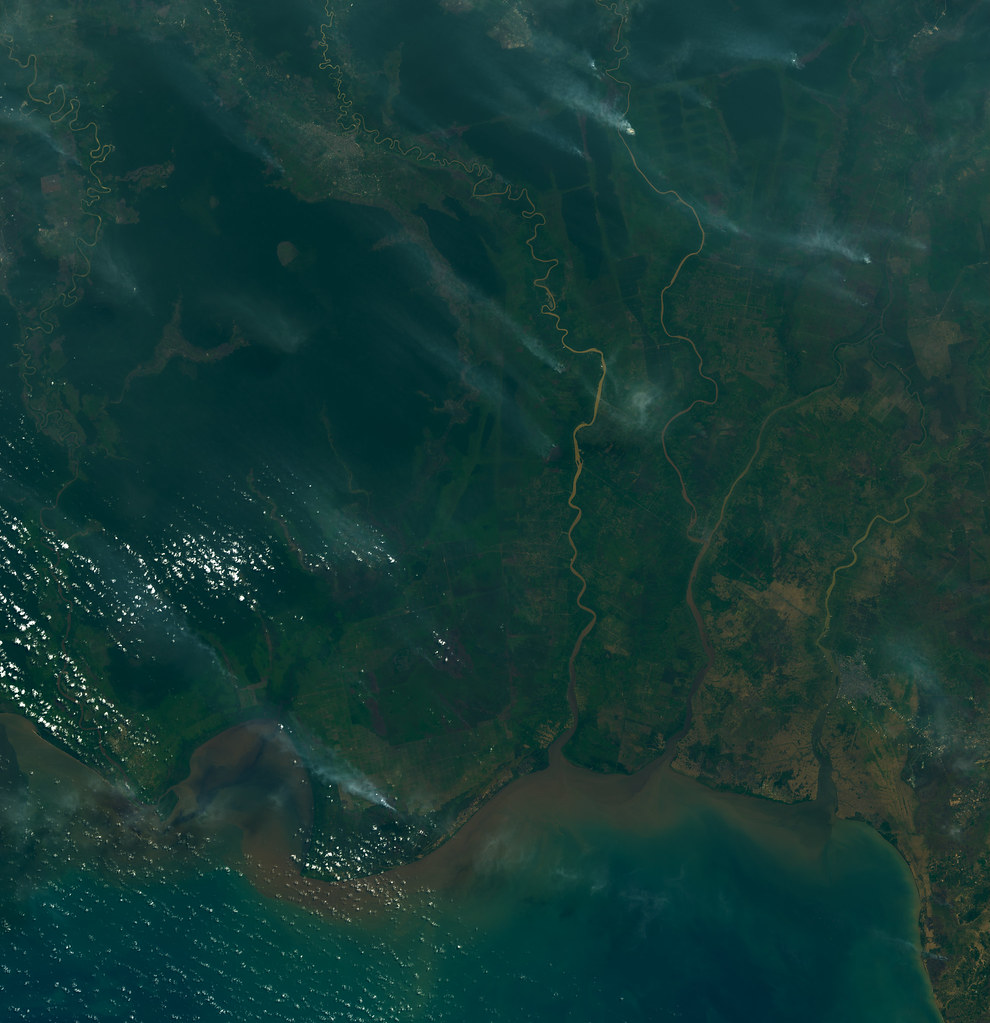
Kalimantan fires are becoming an increasing concern for the region. The BRIN is set to test Dumakron to address this pressing issue.
Understanding the Kalimantan Fires
The Kalimantan fires have become a significant environmental concern, impacting air quality and public health across the region. These fires often result from land-clearing practices, particularly for palm oil plantations, leading to widespread smoke that affects millions.
In an effort to combat this issue, researchers at BRIN are exploring innovative solutions. The initiative aims to implement the Dumakron technology, which utilizes advanced monitoring and data collection methods to better understand fire patterns and their impact.
Key aspects of the proposed solutions include:
- Real-time monitoring: Utilizing satellite data to track fire outbreaks.
- Community engagement: Involving local populations in fire prevention strategies.
- Policy enhancement: Strengthening regulations around land use.
Addressing the Kalimantan fires requires a multifaceted approach to ensure a sustainable future.
The Role of BRIN in Environmental Protection
The Indonesian National Research and Innovation Agency, known as BRIN, plays a crucial role in addressing the challenges posed by the Kalimantan fires. As a key player in environmental protection, BRIN is committed to developing innovative solutions to mitigate the impact of these destructive events.
One of the promising initiatives being explored is the testing of Dumakron, a novel approach aimed at reducing smoke emissions resulting from forest fires. This initiative aligns with the agency’s mission to promote sustainable practices and enhance ecological resilience.
Through rigorous research and collaboration with local communities, BRIN aims to implement effective strategies that not only combat the immediate threats of the Kalimantan fires but also foster long-term environmental sustainability. Their efforts underscore the importance of scientific innovation in tackling pressing environmental issues.
What is Dumakron?
Dumakron is an innovative approach introduced by the National Research and Innovation Agency (BRIN) to address the persistent issue of Kalimantan fires. This technology focuses on utilizing a combination of satellite data and artificial intelligence to monitor and predict fire occurrences effectively. By analyzing environmental conditions that contribute to these fires, Dumakron aims to provide timely alerts to local authorities and communities.
Key features of Dumakron include:
- Real-time Monitoring: Continuous observation of high-risk areas to detect early signs of fire.
- Predictive Analytics: Utilizing data to forecast potential fire outbreaks based on weather patterns.
- Community Involvement: Engaging local populations in fire prevention efforts to enhance effectiveness.
Ultimately, Dumakron serves as a crucial tool in combating the Kalimantan fires and safeguarding the region’s environment.
Testing Dumakron: What to Expect
The upcoming tests of Dumakron aim to provide promising solutions to the persistent challenge of Kalimantan fires. As the nation grapples with severe air quality issues caused by smoke, these tests are crucial for assessing Dumakron’s effectiveness in mitigating fire-related emissions.
During the testing phase, researchers will focus on several key aspects:
- Effectiveness: Evaluating how well Dumakron reduces smoke output during active fires.
- Application methods: Analyzing the best techniques for deploying Dumakron in affected areas.
- Environmental impact: Studying any potential effects on local ecosystems and biodiversity.
Through these tests, BRIN aims to gather vital data that can inform future strategies in combating the environmental crisis posed by Kalimantan fires.
Impact of Kalimantan Fires on Air Quality
The Kalimantan fires have significantly impacted air quality across the region, leading to severe health risks for residents and wildlife. As smoke spreads, it creates hazardous conditions, which can exacerbate respiratory issues and other health problems.
Studies indicate that prolonged exposure to smoke from the Kalimantan fires can lead to a range of health complications, including:
- Asthma exacerbation
- Chronic obstructive pulmonary disease (COPD)
- Cardiovascular issues
Moreover, the environmental consequences are far-reaching, affecting not just air quality but also local ecosystems. The increase in carbon emissions further contributes to global warming, making it imperative for authorities to find effective solutions to combat the Kalimantan fires and their detrimental effects on air quality.
Technological Innovations in Fire Management
Technological innovations play a crucial role in managing the devastating Kalimantan fires. Various advanced tools and strategies are being developed to monitor and combat the smoke generated by these fires.
One of the most promising solutions is the integration of satellite technology, which allows for real-time tracking of fire hotspots. This technology helps in:
- Early Detection: Identifying fires before they spread extensively.
- Data Analysis: Providing critical information on weather patterns and humidity levels that contribute to fire risks.
- Resource Allocation: Assisting firefighting teams in deploying resources effectively.
Moreover, drones equipped with thermal imaging are being utilized to assess fire severity and monitor smoke dispersion. These innovations aim to significantly reduce the impact of Kalimantan fires on both the environment and public health.
Community Involvement in Fire Prevention
Community involvement is crucial in addressing the issue of Kalimantan fires. Local residents play a vital role in fire prevention efforts, as they are often the first responders to emerging fire threats.
Engagement initiatives can include:
- Education and Training: Workshops that teach sustainable land management and fire prevention techniques.
- Volunteer Patrols: Groups that monitor vulnerable areas, reporting any signs of fire early.
- Community Firebreaks: Collaborative efforts to create firebreaks that can help contain wildfires.
By empowering communities to take an active role, the effectiveness of fire management and prevention strategies can be significantly enhanced. With the right tools and knowledge, local populations can help mitigate the devastating impact of Kalimantan fires on both the environment and public health.
Future Prospects for Kalimantan’s Environment
The future prospects for Kalimantan’s environment hinge on a multifaceted approach to combat the persistent fires that threaten its rich biodiversity and communities. Continued research and development of innovative solutions, such as Dumakron, are essential in addressing the root causes of the Kalimantan fires.
Collaboration among government agencies, local communities, and environmental groups is crucial to implementing effective fire management strategies.
- Reforestation efforts: Planting native species can help restore ecosystems affected by fires.
- Community education: Raising awareness about fire prevention techniques is vital for long-term sustainability.
- Policy enforcement: Strengthening regulations against illegal land clearing can deter future fires.
By fostering a united front, Kalimantan can look forward to a healthier environment, free from the devastating impacts of smoke and fire.
By Paul Quast via Openverse