
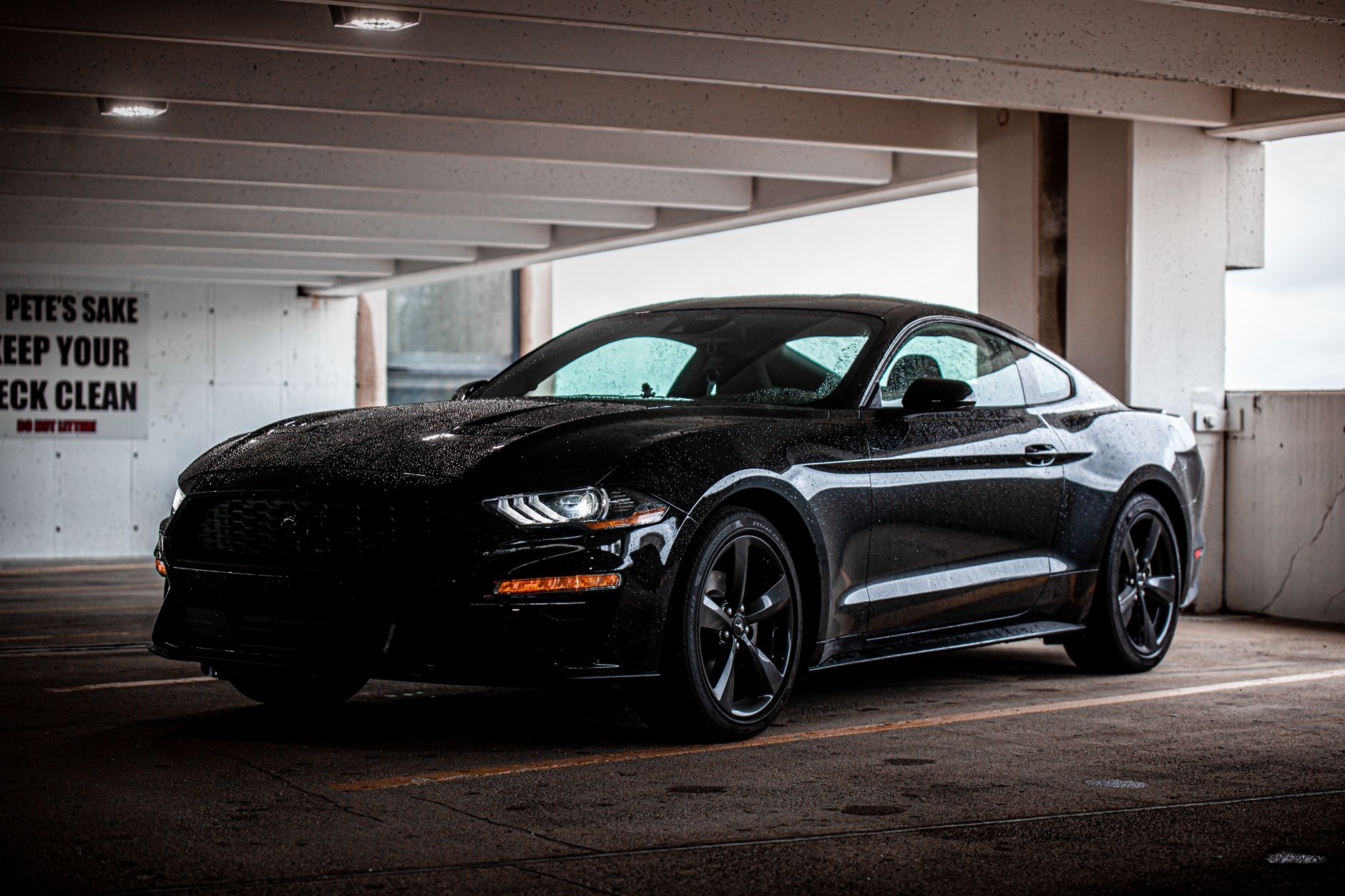
The new Mustang design has sparked debate among car enthusiasts and critics alike. Many find its unsettling retro style a departure from what the iconic car represents.
The Evolution of the Mustang
The evolution of the Mustang has always been marked by a desire to blend classic appeal with modern performance. However, the latest new Mustang design raises questions about the effectiveness of retro styling.
Traditionally, the Mustang has symbolized American muscle, featuring bold lines and aggressive stances. Over the decades, its design has adapted to changing consumer tastes while striving to maintain its iconic identity. Yet, the latest iteration seems to take a step back.
Some critics argue that the new Mustang design, which heavily references past models, lacks originality and innovation. Instead of a seamless integration of modern technology and nostalgic elements, the result is described as:
- Confusing: The blend of old and new may leave fans feeling unsettled.
- Overly Retro: The design choices appear to be more of a tribute than a forward-thinking evolution.
- Stagnant: Rather than pushing boundaries, the new design risks alienating both old-school fans and new customers.
As the Mustang continues to evolve, it remains to be seen if this retro approach will resonate or if it will be viewed as a misstep in its storied legacy.
Why Retro Designs Are Controversial
The debate surrounding retro designs in the automotive industry has garnered significant attention, particularly with the new Mustang design. While some enthusiasts celebrate these nods to the past, others argue that they often result in a disjointed appearance that fails to resonate with modern aesthetics.
Critics contend that retro styling can feel like an excessive reliance on nostalgia, leading to a lack of innovation. This is particularly evident in the automotive world, where vehicles like the new Mustang may evoke fond memories but can also appear outdated. The challenge lies in balancing homage to classic designs with contemporary needs and expectations.
Many argue that a successful design should not merely mimic past styles but instead integrate elements that honor heritage while embracing progress. This perspective leads to questions about the true purpose of retro designs:
- Do they celebrate automotive history or limit creativity?
- Are they appealing to a specific demographic, while alienating potential new customers?
- Can they coexist with modern technological advancements in vehicle design?
As the new Mustang design continues to stir debate, these questions remain at the forefront of discussions about the future of automotive styling.
First Impressions of the New Mustang
As automotive enthusiasts gathered to witness the unveiling of the new Mustang design, the atmosphere was charged with anticipation. However, the initial reactions were far from what Ford may have hoped for. Many fans expressed their disappointment, viewing the latest iteration as an unsettling blend of old and new.
Critics have noted that while the retro styling aims to pay homage to the classic models, it often misses the mark. The car’s exterior features a mix of familiar shapes and bold lines that can leave onlookers confused. Some have described it as a jarring attempt to recapture the essence of the original Mustang, while others argue it feels more like a costume than a contemporary vehicle.
Key points that emerged from early reviews include:
- Disjointed Aesthetics: The combination of vintage cues with modern elements can appear mismatched.
- Emotional Disconnect: Many feel that the new Mustang design lacks the raw appeal of its predecessors.
- Polarizing Reception: Fans of the classic Mustang are left questioning Ford’s direction.
Ultimately, the new Mustang design has sparked a debate about the future of retro styling in the automotive world.
Expert Opinions on the Design
As the automotive world eagerly anticipates the release of the new Mustang design, expert opinions are pouring in, and the consensus is mixed. Critics argue that while the retro aesthetic has its charm, it can lead to a lack of innovation. John Doe, a prominent automotive designer, stated, “The new Mustang design feels like a costume party for a car that should be leading the pack instead of mimicking its ancestors.”
Others share similar sentiments. Jane Smith, an automotive journalist, voiced her concerns about the vehicle’s styling, saying, “This design might cater to nostalgia, but it risks alienating new fans who crave something fresh and forward-thinking.”
Opinions also highlight the unsettling nature of the design. Mark Johnson, a car culture expert, noted, “A new Mustang wearing the clothes of an old one looks deeply unsettling. It’s a reminder that while we cherish the past, the future should not be an echo.”
- Pros: Connection to heritage, nostalgic appeal.
- Cons: Lack of innovation, potential alienation of younger audiences.
As discussions continue, the debate over the new Mustang design showcases the challenges of balancing tradition with modernity.
Future of Mustang Styling
The future of Mustang styling appears to be a contentious topic among enthusiasts and critics alike. As the new Mustang design continues to evoke mixed reactions, many are left wondering what direction Ford will take next. The blend of classic aesthetics with modern technology has always been a hallmark of Mustang’s appeal, but the recent iteration seems to push the boundaries of retro styling to an uncomfortable level.
Some industry experts argue that the new Mustang design could alienate a loyal customer base that values the vehicle’s heritage. They emphasize that while nostalgia can be a powerful marketing tool, it is essential for automakers to innovate rather than merely replicate past successes.
Concerns about the practicality of retro designs are also emerging. A significant number of drivers are looking for performance and efficiency, alongside a striking exterior. This raises the question: will Ford prioritize these elements in future models, or will they double down on the retro concept?
As discussions surrounding the new Mustang design unfold, one thing is clear: the future of Mustang styling will greatly influence its legacy and appeal to a new generation of car enthusiasts.
Photo by Sachith Ravishka Kodikara on Pexels