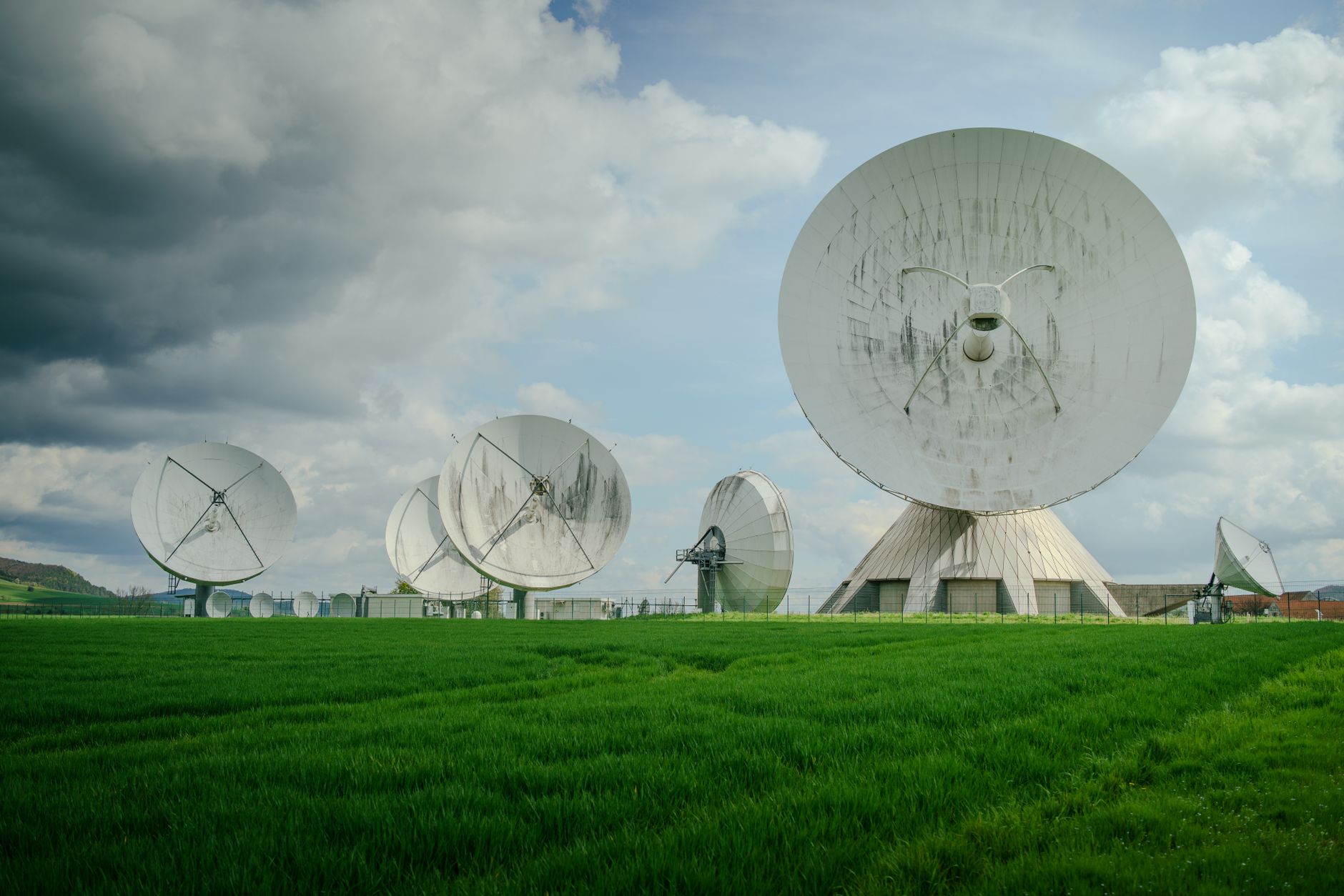
French satellite space research is gaining attention for its potential to transform our understanding of the universe. This tiny satellite could pave the way for groundbreaking discoveries in space exploration.
What is the tiny French satellite?
The tiny French satellite, known as PicSat, represents a significant leap in the realm of space research. Weighing just 3.5 kilograms, this innovative satellite is designed to explore the atmosphere of exoplanets, providing crucial data that could enhance our understanding of distant worlds.
PicSat operates with the help of a unique technology that allows it to observe the transit of exoplanets as they pass in front of their host stars. This method is particularly useful in measuring the properties of the planets’ atmospheres, which can reveal vital information about their composition and potential habitability.
One of the key features of this tiny satellite is its ability to conduct research at a fraction of the cost and size of traditional satellites. This development is vital for the future of French satellite space research, as it paves the way for more cost-effective and efficient missions. The satellite’s compact design does not compromise its capabilities, making it an ideal candidate for various scientific missions.
As PicSat continues to gather data from its orbit, scientists are optimistic about the valuable insights it will provide. The success of this satellite could lead to further advancements in space exploration technology, setting the stage for a new era of discovery.
How does it work?
The operation of the tiny French satellite is a remarkable blend of advanced technology and innovative design, aimed at revolutionizing space research. This satellite is equipped with a variety of sensors and instruments that collect data on various cosmic phenomena, contributing significantly to our understanding of space.
One of the key features of this satellite is its ability to perform autonomous operations. It uses artificial intelligence algorithms to analyze data in real-time, allowing it to make decisions without waiting for instructions from ground control. This capability is essential for conducting experiments and gathering information in environments that are often hostile and unpredictable.
The satellite transmits the data it collects back to Earth using high-frequency communication links, ensuring that researchers can access valuable information promptly. This swift data relay is crucial for ongoing projects in French satellite space research, as it enables scientists to respond quickly to emerging discoveries.
Moreover, the compact size of the satellite allows for the launch of multiple units at once, creating a constellation that can cover more ground in space. With this approach, researchers can gather a wider array of data from different angles and locations, further enhancing their understanding of the universe.
In summary, the operational efficiency of this tiny satellite is setting a new standard for future space exploration.
The impact on space research
The impact of the tiny French satellite on space research is profound, promising to reshape our understanding of the cosmos. With its advanced technology, this satellite is set to revolutionize data collection and analysis. By harnessing cutting-edge sensors and instruments, it aims to gather crucial information about various celestial phenomena.
One of the primary benefits of this innovative satellite is its ability to monitor the Earth’s atmosphere and climate with unprecedented accuracy. This data is essential for researchers studying climate change and its effects on our planet. Additionally, the satellite can facilitate deeper explorations of distant planets and moons, providing insights that were previously unattainable.
Moreover, the tiny French satellite is paving the way for collaborative international efforts in space exploration. Its design encourages partnerships between countries, fostering a spirit of cooperation in the scientific community. This collaboration can lead to joint missions and shared resources, further enhancing our capabilities in space research.
As nations increasingly recognize the importance of satellite technology, the French satellite represents a crucial step towards a more integrated approach to exploring the universe. By prioritizing innovation and collaboration, this initiative highlights the potential of French satellite space research to drive significant advancements in understanding our galaxy.
Challenges faced during development
The development of the tiny French satellite has not been without its challenges. Engineers and researchers faced several hurdles that tested their ingenuity and perseverance throughout the process.
One significant challenge was the miniaturization of technology. Creating a compact satellite required innovative solutions to ensure that all necessary equipment could fit within a limited space while maintaining functionality. This often meant compromising on size while enhancing performance, a delicate balancing act.
Another obstacle was securing funding and resources. The competitive nature of space research necessitated a clear demonstration of the satellite’s potential impact on the field. Convincing stakeholders of the value of this project involved extensive presentations and data analysis to illustrate its significance in the broader context of French satellite space research.
Additionally, the team encountered technical difficulties during testing phases. Issues with communication systems and data transmission needed to be addressed promptly to ensure successful operation in orbit. Each setback provided an opportunity for learning and refinement, ultimately strengthening the satellite’s design.
Lastly, regulatory hurdles posed challenges in terms of international collaboration. Navigating the complex landscape of space law and ensuring compliance with global standards required careful planning and negotiation.
Despite these challenges, the determination of the team has paved the way for groundbreaking advancements in the future of space exploration.
Future missions planned
As the landscape of space exploration evolves, French satellite space research is set to reach new heights with several upcoming missions planned to push the boundaries of what is achievable in the cosmos. These missions aim to harness advanced technologies that the tiny French satellite has demonstrated, enabling researchers to gather unprecedented data and insights.
Among the notable future missions, the following are particularly promising:
- Earth Observation: The satellite will monitor climate change effects, providing timely data for environmental studies.
- Astrobiology Research: Missions will focus on the search for life beyond Earth, utilizing advanced sensors to analyze distant planetary atmospheres.
- Deep Space Exploration: Plans are underway to send the satellite to the outer reaches of our solar system, aiming to capture images and data from previously uncharted territories.
- Interstellar Communication: Future initiatives will explore new methods of communication between satellites and ground stations, enhancing data transmission capabilities.
These missions reflect a commitment to innovation and collaboration within the European space community, positioning French satellite space research as a key player in the next generation of space exploration. The potential outcomes of these missions could significantly influence the trajectory of scientific understanding and technological advancements in the field.
Expert opinions on its significance
Experts in the field of aerospace technology have weighed in on the significance of the tiny French satellite, emphasizing its potential to revolutionize space research. According to Dr. Marie Leclerc, a prominent astrophysicist, “This satellite embodies a leap forward in our ability to conduct detailed observations of celestial phenomena. Its compact design and advanced instrumentation allow for unprecedented data collection.”
Furthermore, Dr. Jacques Fournier, an engineer specializing in satellite technology, noted that “the innovations we see in this French satellite could lead to new methodologies in space exploration. The integration of artificial intelligence in its operations signifies a shift towards more autonomous systems in space.”
Experts also pointed out that the implications of this French satellite extend beyond immediate scientific gains. Dr. Eloise Martin, a researcher in environmental science, stated, “The data we gather can have real-world applications, from climate monitoring to disaster response, showcasing the satellite’s multifaceted benefits.”
In summary, the consensus among professionals is clear: the advancements in French satellite space research are paving the way for a smarter future in exploration. As Dr. Leclerc aptly put it, “Innovation in space technology is crucial for expanding our understanding of the universe and addressing challenges on Earth.”
French satellite space research is paving the way for innovative technologies that enhance our understanding of the cosmos. As nations collaborate on ambitious projects, the significance of French satellite space research continues to grow, driving forward the future of exploration.
Photo by Der_ Hördt on Pexels
References
Futura, le média qui explore le monde
You might also like
NZ Parliament FTA: The Best Proven Benefits for Trade · iOS 27.2: The Best Proven Way to Save Your Marriage · AI Safety Policy: The Right Approach for Microsoft’s Future